Summer Sale – 10% extra discount
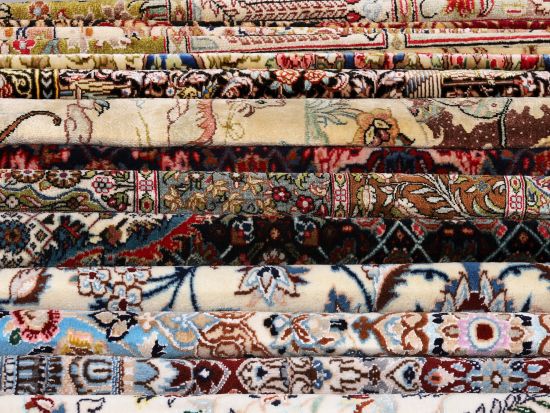
Discover our wide selection of hand-knotted and hand-woven rugs and enjoy an additional 10% discount across the entire range.
Discount code: SUMMER10
Nowruz is the traditional New Year festival of many Iranian and Central Asian cultures and begins precisely at the moment of the spring equinox. For over 3,000 years, this celebration has marked not only the start of a new year, but also a conscious fresh start in harmony with nature. When day and night are in balance, Nowruz symbolises balance, renewal and hope.
But Nowruz is far more than a change of date on the calendar. It is a time of preparation, cleansing and consciously shaping one’s home. Rituals such as Khaneh Tekani, the traditional spring clean, or the richly symbolic Haft-Sin table show how closely culture, living space and personal renewal are connected.
In this article, you will discover what Nowruz means, which traditions shape the Persian New Year, and why the home plays a central role – from symbolic colours to hand-knotted Persian rugs that connect generations.
Nowruz is not only a symbolic new beginning, but also a festival with clear rituals that have been passed down through generations. These traditions bring together nature, family and home in a special way.
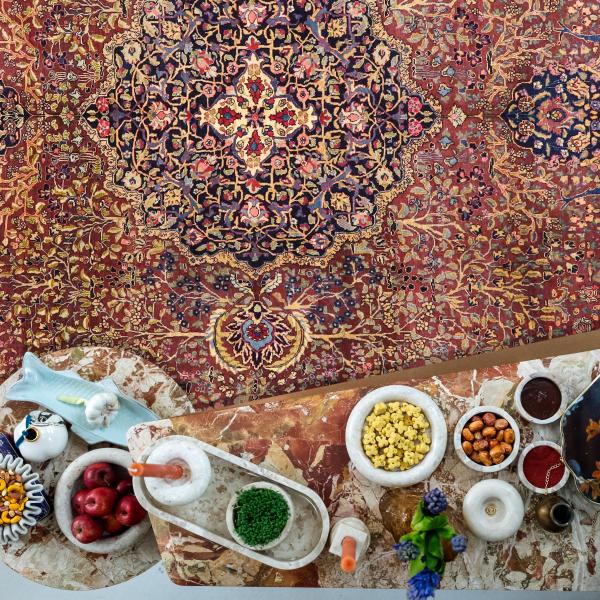
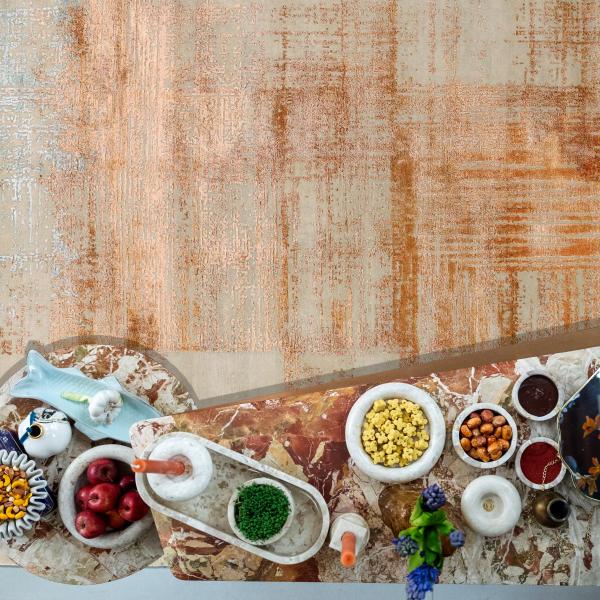
The best-known tradition is the Haft-Sin table. “Haft” means seven, while “Sin” refers to the Persian letter “S”. Seven symbolic elements are arranged on a festively laid table, each beginning with an “S”:
The table is often complemented by mirrors, candles, painted eggs or a book of poetry. The Haft-Sin table usually takes pride of place in the home and symbolises hope for the year ahead.
In the weeks leading up to Nowruz, Khaneh Tekani takes place – the traditional spring clean. Literally translated, it means “shaking the house”.
This involves:
This cleaning is not only practical but also symbolic: the old is let go to make room for the new.
On the last Wednesday before Nowruz, Chaharshanbe Suri is celebrated. Small fires are lit, over which people symbolically jump. As they do so, words are spoken to hand over illness and worries to the fire.
The fire stands for:
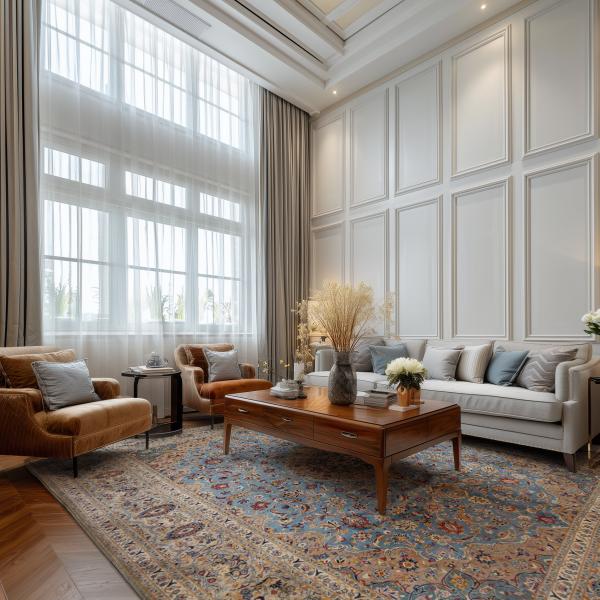
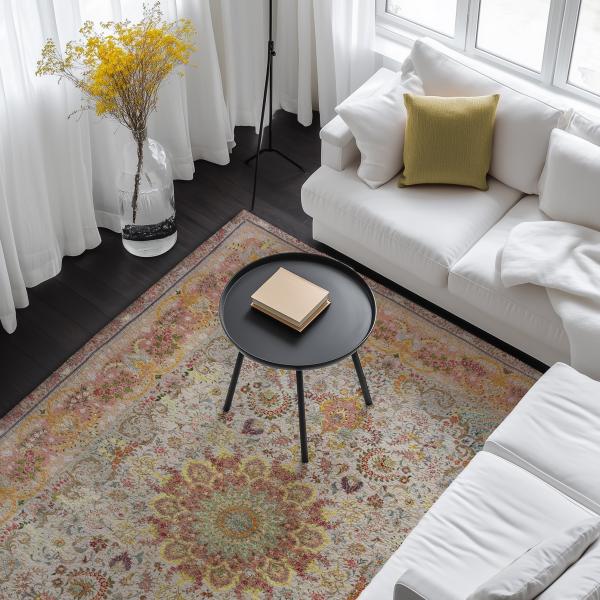
Nowruz does not begin in public spaces, but in your own home. Preparing for the new year – cleaning, organising and consciously shaping your surroundings – takes place within your own four walls. The home becomes a place of transition, where past and future meet for a moment.
Rituals such as Khaneh Tekani show that spaces are more than functional places. They carry memories, habits and stories within them. Through cleaning and redesigning, not only is external clarity created, but inner order as well. The home becomes a reflection of your own new beginning.
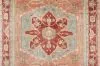
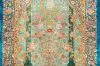
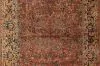
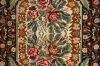
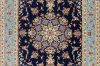
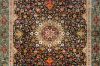
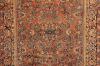
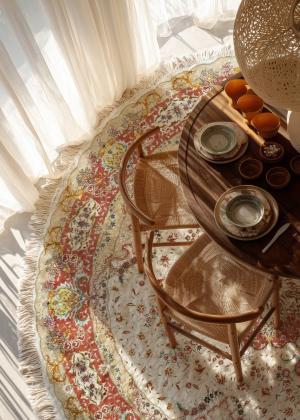
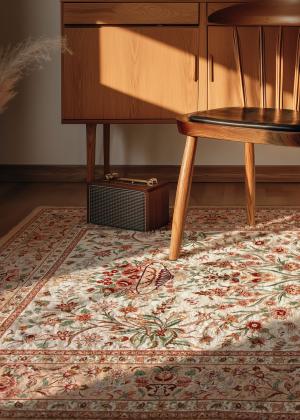
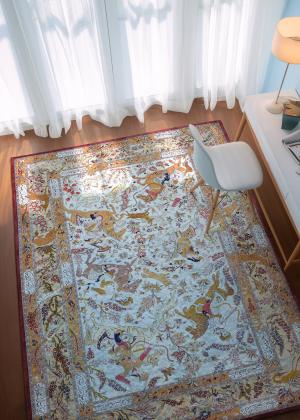
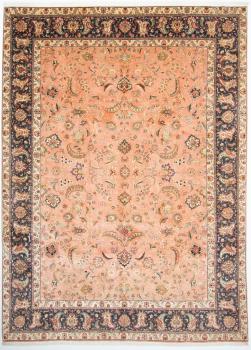
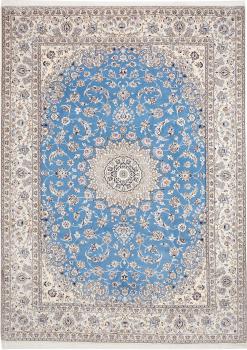
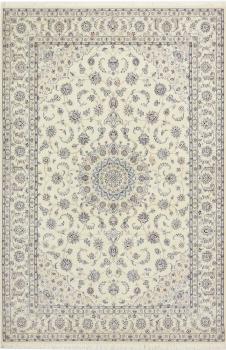
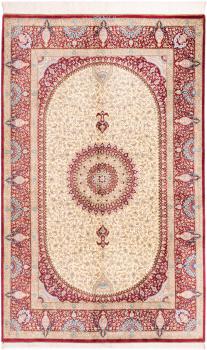
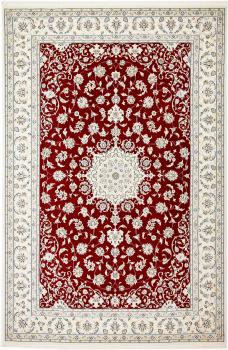
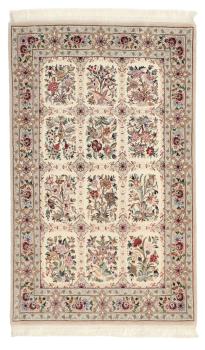
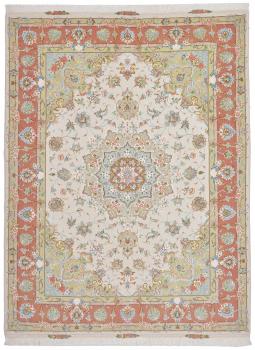
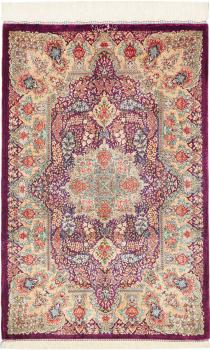
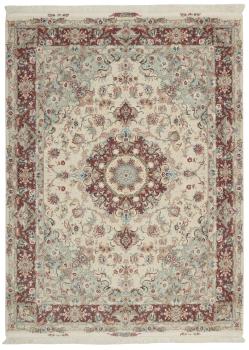
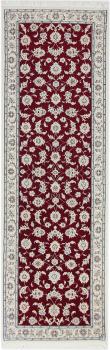
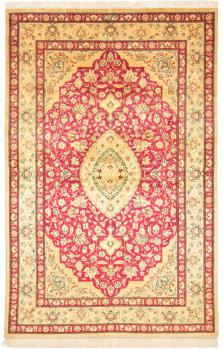
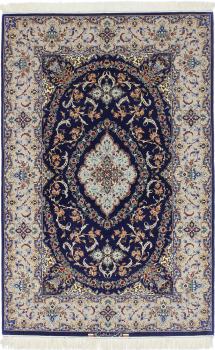
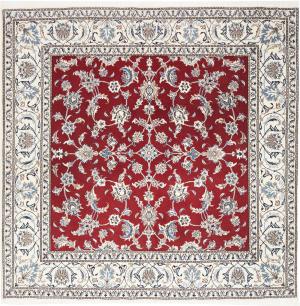
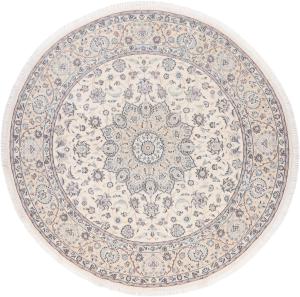
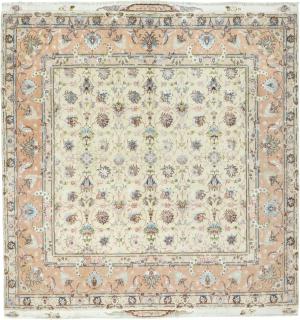
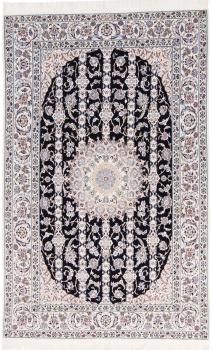
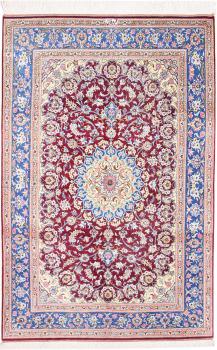
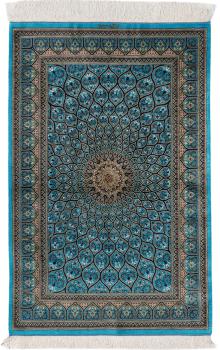
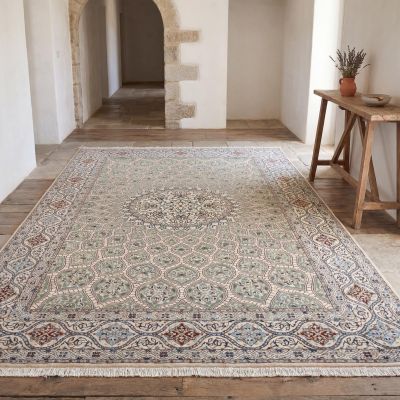
Rugs with floral or nature-inspired motifs that symbolise spring are a particularly good choice. These include, for example:
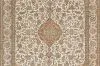
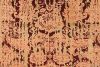
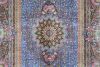
Qom rugs are distinguished by exceptionally fine designs, often crafted from silk, with delicate floral patterns and intricate ornaments that represent elegance, spirituality and timeless beauty.