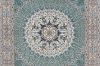
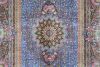
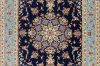
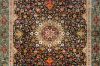
Over 100,000 rugs – a shared milestone
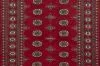
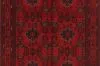
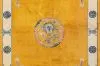
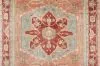
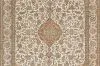
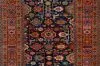
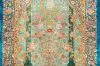
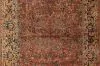
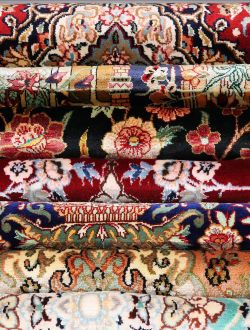
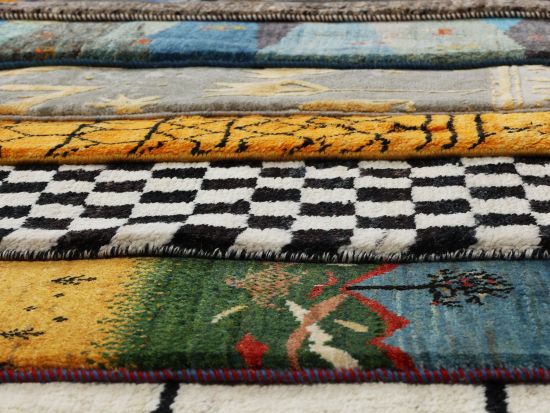
What once began with a carefully selected collection has now grown into one of the world’s largest selections of hand-knotted and handwoven rugs. Every single rug represents traditional craftsmanship, high-quality materials and unique handmade work.
This success would not have been possible without our customers. We would like to sincerely thank you for your trust and support.
Voucher code: 100K
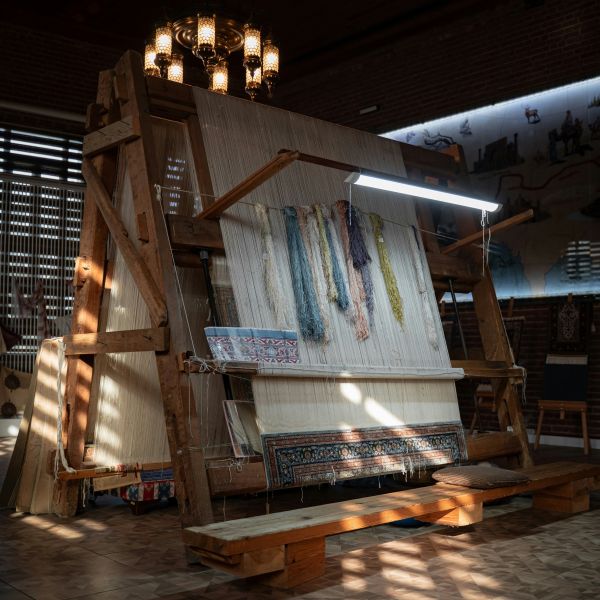
Fewer and fewer Iranians are choosing a job in one of the country’s oldest crafts. Carpet knotting requires a great deal of patience and a very high level of experience. On top of that, there are often the physical strains of delicate work at the looms.
An Iranian saying goes, “May your hands never ache.” Fewer and fewer young people entering the weaving trade also means rising wages in this craft, because the lower the supply, the higher the price. And this is having an effect on the historic Persian rug market.
Prices have doubled over the last decade. Up to €4,000 per square metre is the production cost for the very highest quality. Even if this may be an extreme example, the price shows that: Persian rugs are not cheap mass-produced goods, but always a piece of hand-knotted art.
This centuries-old craft can now be found in only a few countries around the world. In Iran, it is one of the country’s most important crafts. But in Nepal and India, as well as in Pakistan and Afghanistan, skilled artisans also spend months at a time knotting high-quality rugs.
| Region | Characteristics |
|---|---|
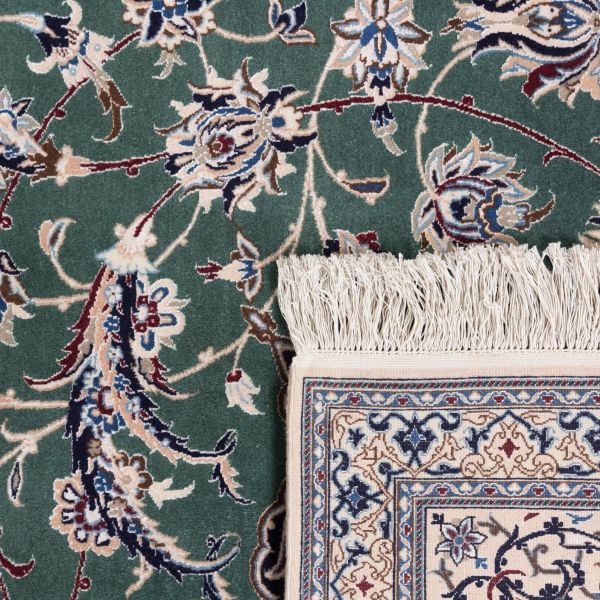
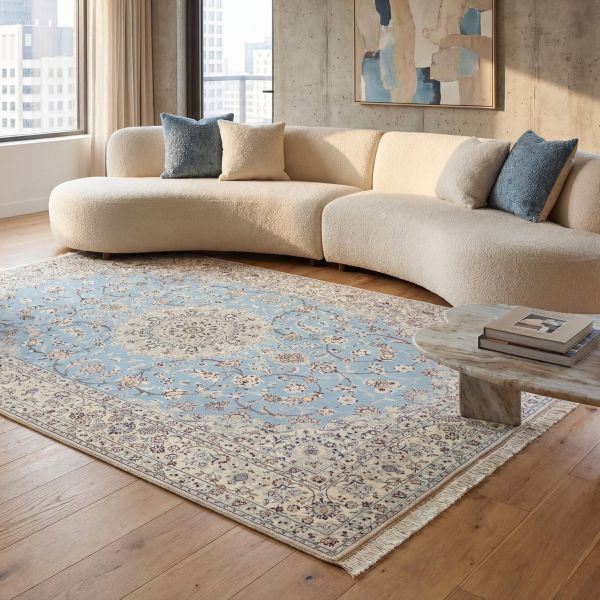
| Nain | Fine knotting, light colours and elegant floral patterns. |
| Täbriz | A wide variety of designs and richly detailed ornaments. |
| Isfahan | Particularly high-quality craftsmanship and intricate patterns. |
| Qom | Often made with silk content and an exceptional sheen. |
| Kashan | Classic medallion patterns and harmonious colour combinations. |
| Bidjar | Very robust, durable rugs with dense knotting. |
In times gone by, Oriental rugs adorned palaces and the homes of wealthy citizens. They simply served as a status symbol. Everyone wanted a genuine Persian rug in their living room. Authentic only with a certificate and a high knot density.
It was not until 1873 that Sheikh Naser ad-Din brought the Persian rug to fame. His opulent lifestyle, together with the rugs, left a lasting impression on his contemporaries. You could say he was an influencer of the 19th century.
But after around 100 years of success, demand slumped and the rugs gained a slightly dusty image. The younger generation wanted to move away from their parents’ interior style and try something completely new.
All Persian rugs are oriental rugs, but not every oriental rug comes from Persia, or present-day Iran. Persian rugs are distinguished by their traditional knotting techniques, regional patterns and long craftsmanship heritage.
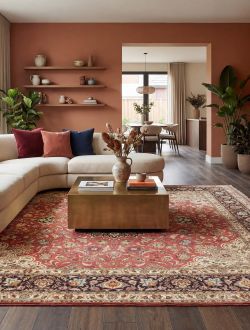
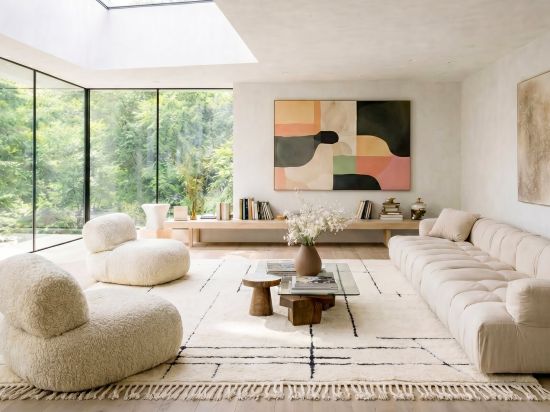
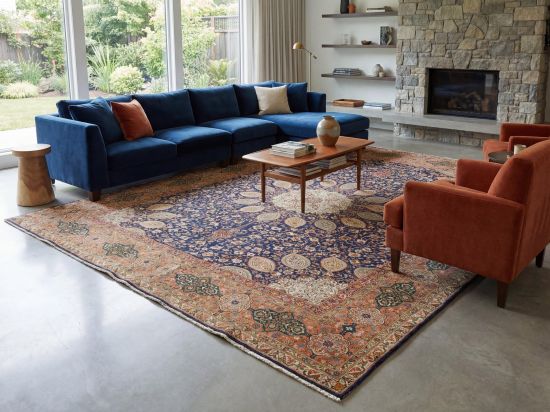
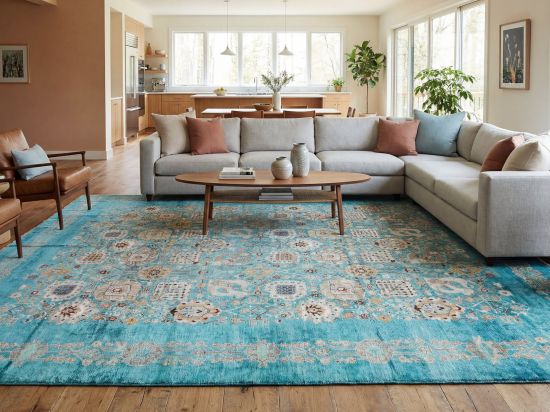
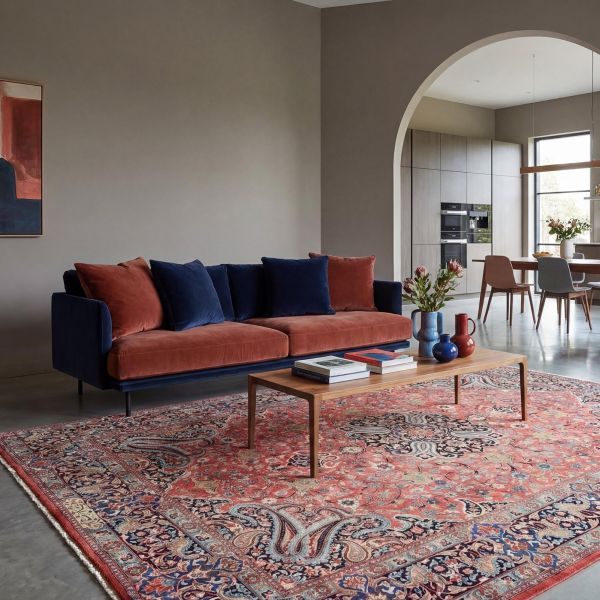
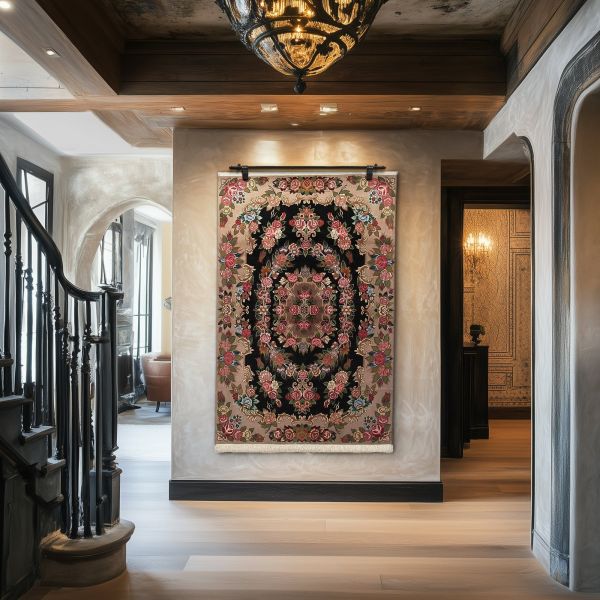
Persian rugs combine traditional craftsmanship with designs that have been valued for centuries. This means they can be paired with both classic and modern interior styles, regardless of current home décor trends.
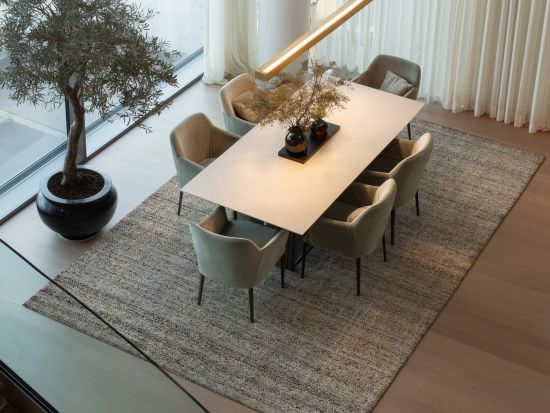
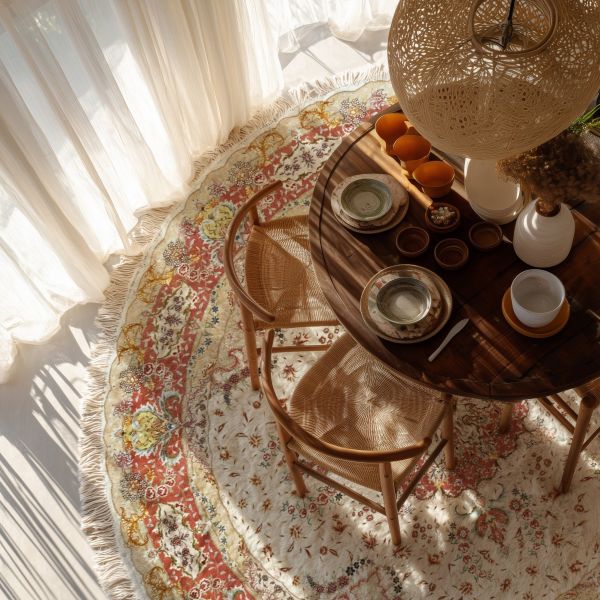
For living rooms, dining rooms or hallways, particularly robust Persian rugs with a dense knotting and high-quality virgin wool are especially suitable. They are durable and retain their beauty even with regular use.
Yes. A high-quality Persian rug gives the room structure, creates a warm atmosphere and provides a stylish focal point. This often makes the interior look more harmonious and more refined.
Hand-knotted Persian rugs stand for traditional craftsmanship, high-quality natural materials and exceptional durability. As each piece is made by hand, every rug has its own character and is a truly unique one-off.