28 Years of Nain Trading – Extra 20% Off
Celebrate 28 years of Nain Trading with us and enjoy an extra 20% off our entire range – including rugs already on sale.
Discount code: 28YEARS
The “Warm Minimalism” trend combines pared-back interiors with natural materials and warm colours. Instead of cool minimalist concepts, the focus is on comfort, texture and high-quality materials. Light wood tones, beige, cream and soft textiles are particularly popular.
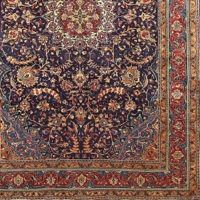
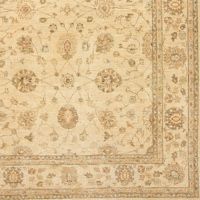
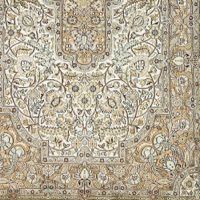
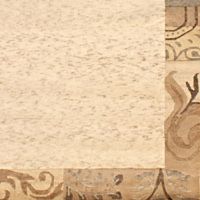
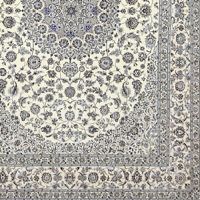
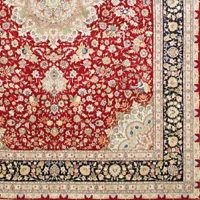
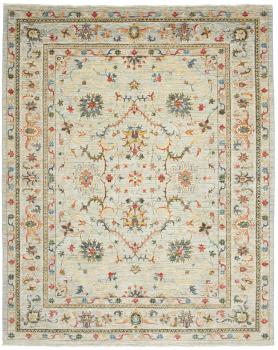
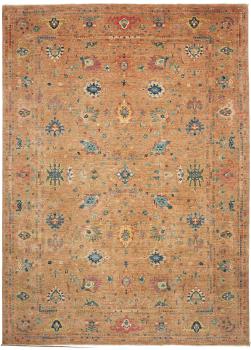
Light Oriental rugs with subtle patterns are especially well suited to this interior style. Nain rugs or Berber rugs bring warmth to minimalist rooms without making the décor feel too dominant.
Japandi combines Scandinavian functionality with Japanese clarity. It is characterised by natural materials, simple shapes and a calm colour palette. Rooms feel tidy, open and intentionally pared back.
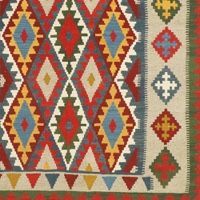
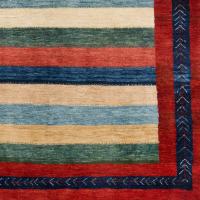
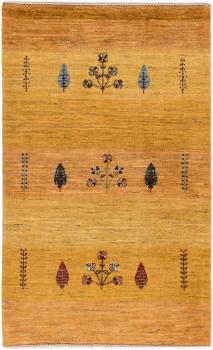
Gabbeh Loribaft rugs are a particularly good match for this interior style. With their simple patterns, natural colours and soft materials, they enhance the calm feel of a room and complement wood, linen and minimalist interiors especially harmoniously. Chinese rugs also suit the Japandi style well, as their delicate patterns and balanced colour schemes stylishly emphasise the clean interior design.
In contrast to minimalist interior styles, soft maximalism relies on deliberately combined colours, materials and textures. However, the focus is not on visual clutter, but on balanced contrasts and individual combinations.
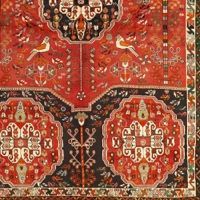
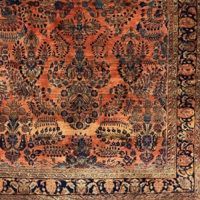
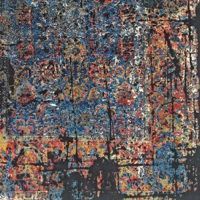
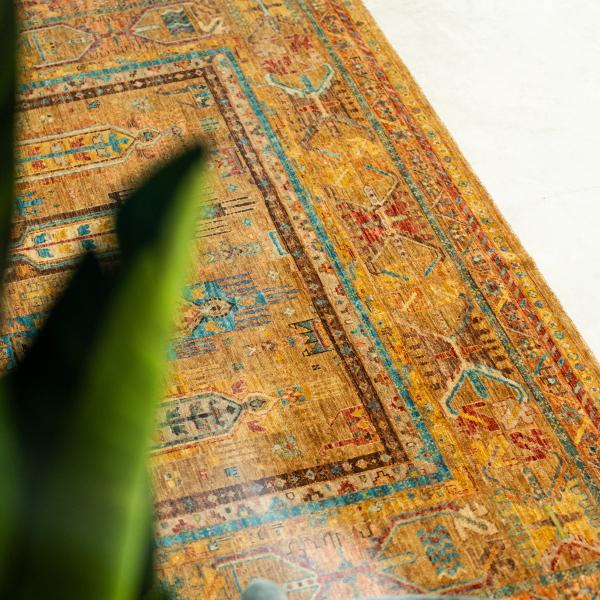
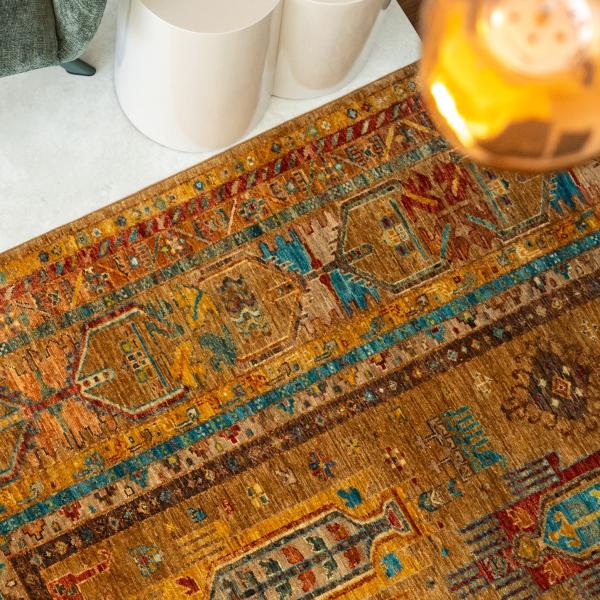
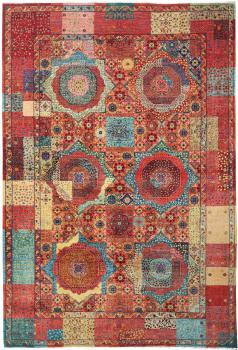
Vintage rugs are particularly well suited here, as they bring character and depth to the room. Larger rugs with classic patterns in particular are often used as a central design feature. Patchwork rugs and modern Oriental rugs also work well with this interior style, as their texture, variety of patterns and distinctive colour contrasts create carefully placed accents in the room.
Biophilic design focuses on natural materials and a close connection between the living space and nature. Plants, wood, stone and natural colours play a central role here.
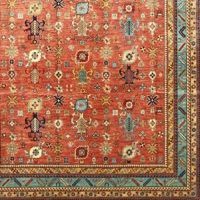
Oriental rugs made from wool or natural fibres fit this trend well, as they bring natural materials into the room while also creating a warm feel. Rugs in earthy tones and calm colour shades are particularly popular.
The Wabi-Sabi interior style focuses on naturalness, authentic materials and deliberately imperfect surfaces. Craftsmanship, visible textures and calm colour palettes take centre stage over perfect symmetry.
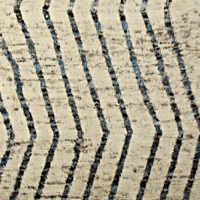
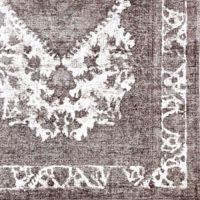
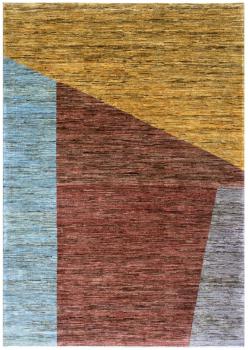
Texura rugs, Radiant rugs and modern rugs in soft colours are particularly well suited to this interior style. Subtle patterns, natural textures and understated colour schemes enhance the calm feel of the room and complement minimalist interiors beautifully.
Wood provides a warm and stable foundation in the room in summer 2026. Light wood types feel airy and work particularly well in open-plan living areas, while darker tones can be used to create deliberate contrasts. Combined with soft textiles, this creates a balanced mix of structure and comfort.
Typical uses: living rooms, dining areas, as well as furniture and flooring
Stone brings visual calm and clarity to the room in summer 2026. Thanks to its solid and often cool-looking surface, it is particularly well suited to creating contrast with softer materials such as textiles or wood. Rather than being used across large areas, stone is applied selectively to highlight individual zones and support a clear structure within the room.
Typical uses: side tables, surfaces, kitchen areas and decorative accents
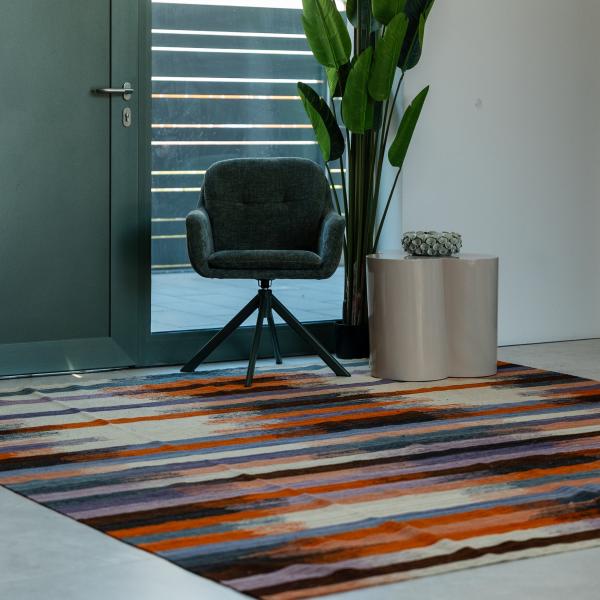
Textiles will play a central role in shaping living spaces in summer 2026, as they have a major influence on both atmosphere and comfort. Lightweight fabrics such as cotton or linen create an airy feel, while denser materials can be used deliberately to visually separate individual areas. Rugs in particular help to structure rooms clearly and define different zones within a living area.
Typical uses: rugs, curtains, cushions and upholstered furniture
Metals are used deliberately and sparingly in summer 2026 to create clear accents in the room. Unlike dominant material surfaces, the focus here is on smaller details that provide contrast and complement other materials such as wood or textiles. Matt finishes in particular create a calmer look and are easier to integrate into different interior styles.
Typical uses: lamps, table frames, decorative elements and furniture accents
In summer 2026, surfaces play a key role in shaping the feel of a room, as they influence how light is reflected and how materials are perceived. Smooth surfaces create a clean, calm look, while textured finishes add depth and make spaces feel more lively. The key is to combine both options to create a balanced overall look without overwhelming the room.
Typical areas of use: walls, furniture surfaces and flooring areas
Natural materials, lightweight fabrics and pared-back decoration create a greater sense of lightness in the room. Daylight in particular and an open-plan layout help living spaces feel fresher and more relaxed.
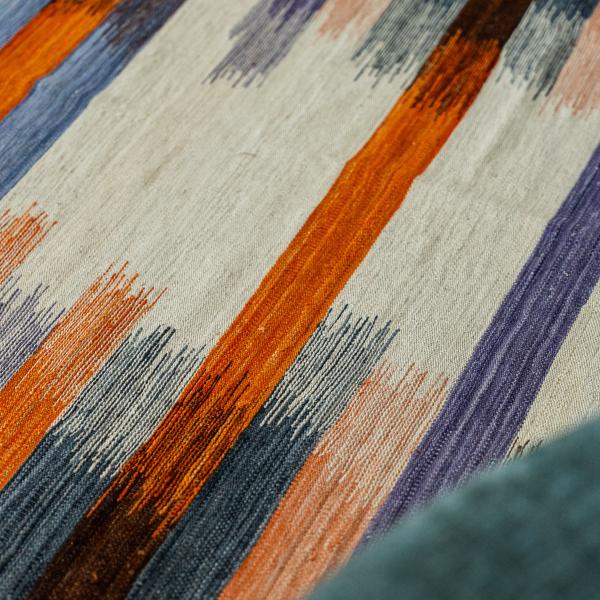
Yes, rugs with a dense pile or darker colours in particular can make rooms feel visually warmer. In summer, lighter textures, flat-woven rugs or models in more subtle colours are therefore often preferred.
In summer, rugs should be aired regularly and protected from direct, strong sunlight. This helps preserve colours and materials for longer.
Rugs made from natural materials such as wool can trap dust more effectively, helping to prevent particles from remaining in the air for long periods. Regular care is still important.
Light wood floors pair particularly well with rugs in warm natural colours, soft grey or sand tones, as well as designs with subtle patterns. They help create a calm and modern look in the room.
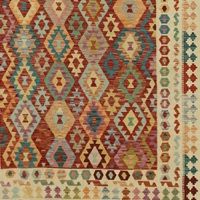
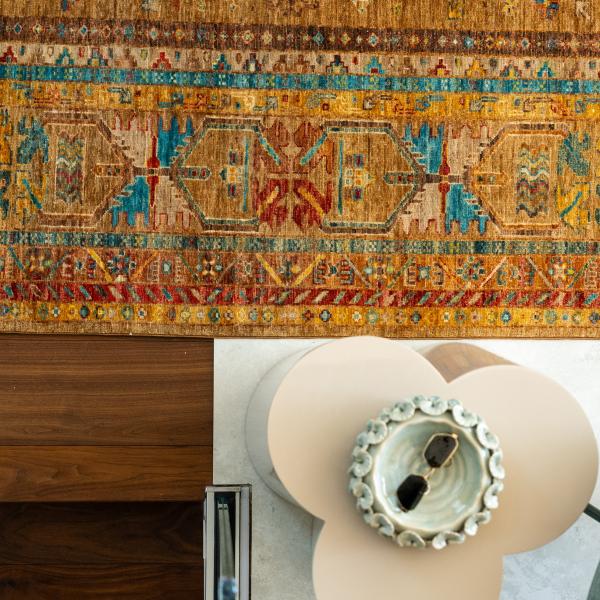
Many people are once again placing greater emphasis on quality, materials and long-lasting products when furnishing their homes. Hand-knotted rugs combine traditional craftsmanship with timeless designs and can be effortlessly paired with modern interior styles.